Imagine if the Social Security or retirement check you are currently stressing over could actually fund a retirement beyond your wildest dreams. Harsh economic realities and rising living costs have left many individuals worried about their golden years; however, there are destinations around the globe where your financial value and modest pension can multiply two- or threefold.
Picture living in a sunny, pleasant climate, accessing top-tier healthcare at remarkably low prices, and enjoying a relaxed lifestyle that feels like an endless vacation—all without depleting your life savings. Below is a comprehensive look at the 5 Best Countries to Retire on a Small Pension or Social Security, helping you choose the ideal destination for the most fulfilling years of your life.
5. Nicaragua: Affordable Coastal Living in Central America

Nicaragua is widely considered the safest and most affordable country in Central America, attracting retirees living on a fixed, limited pension. Expats here can enjoy a highly comfortable lifestyle close to the Pacific Ocean at a fraction of the cost of neighboring nations. In fact, the overall cost of living is exceptionally budget-friendly and well-suited for retirees managing a monthly pension of less than $1,200.
Healthcare and Medical Access
Private healthcare in Nicaragua is excellent, featuring many English-speaking doctors who graduated and trained in the United States and Europe. International hospitals in the capital city of Managua provide prompt medical attention without lengthy waiting lists. Routine medical visits and consultations cost very little, and private health insurance is available to seniors at remarkably low rates.
Climate and Natural Environment
Summers in Nicaragua are hot and humid, with temperatures ranging between 28°C and 34°C, whereas winters are dry and pleasant, ensuring sunshine almost year-round. However, the rainy season from May to November increases humidity, prompting many retirees to settle in slightly cooler, high-altitude cities.
The country’s natural beauty is breathtaking. Wonderful Pacific beaches offer ideal settings for daily walks and relaxation, while high mountains and massive lakes—such as Lake Nicaragua—provide a cooler climate and lush, green landscapes. Outside the capital, air quality is exceptionally high due to abundant green spaces and low industrial pollution, naturally encouraging retirees to walk, fish, practice yoga, and spend time outdoors year-round.
Lifestyle, Safety, and Community
Nicaragua records one of the lowest violent crime rates in Central America, and popular expat neighborhoods are very safe for daily errands and walking. The pace of life is slow and ideal for relaxation, centering on quiet activities such as strolling along the beach, reading in local cafes, and taking boat tours on the lakes.
Within cities, public transportation consists of very cheap local buses and inexpensive taxis. Furthermore, the expat community is closely knit and supportive across many towns. Famous for its colorful historic towns overlooking lakes and rare volcanoes, Nicaragua gives retirees the sensation of living inside a living painting at a modest price. The primary drawback is local infrastructure, as occasional power and water outages can occur in remote areas.
Top Retirement Destinations and Visa Requirements
- San Juan del Sur: A coastal town on the Pacific Ocean ideal for beach lovers, featuring an active expat community.
- Granada: A historic city on the shores of Lake Nicaragua known for its charming architecture, making it well-suited for seekers of culture and tranquility.
Nicaragua’s retirement visa requires proof of a permanent monthly income—such as a government pension or Social Security—of at least $600 per month. Additionally, retirees benefit from customs exemptions when shipping their personal belongings and a vehicle.
| Cost of Living in Nicaragua | Estimated Cost (USD) |
|---|---|
| Minimum Monthly Pension Requirement | $600 / month |
| Monthly Cost of Living (Single, Excluding Rent) | $700 / month |
| Monthly Rent (One-Bedroom Apartment) | $200 – $400 / month |
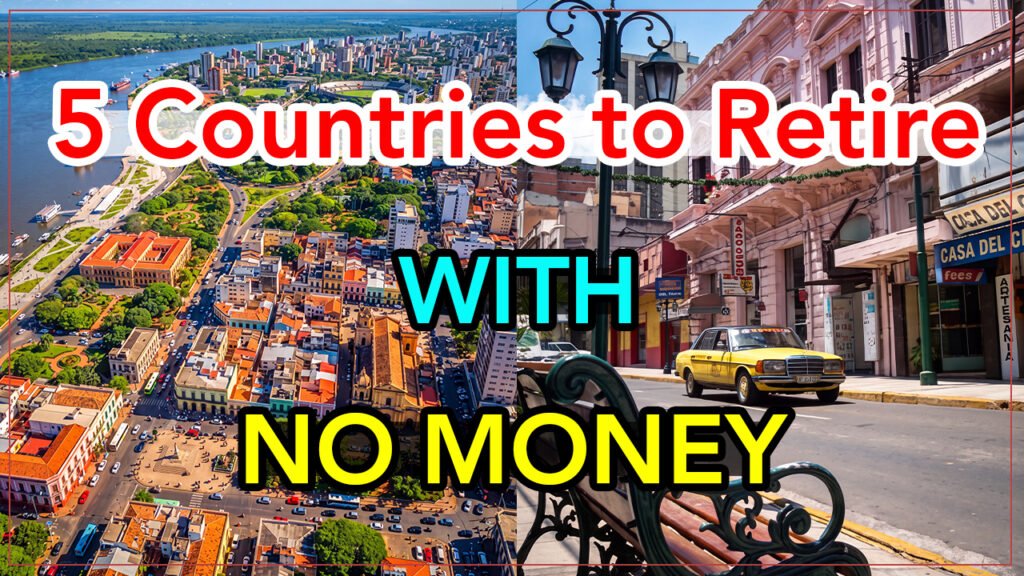
4. Paraguay: Tax-Free Foreign Pensions in South America
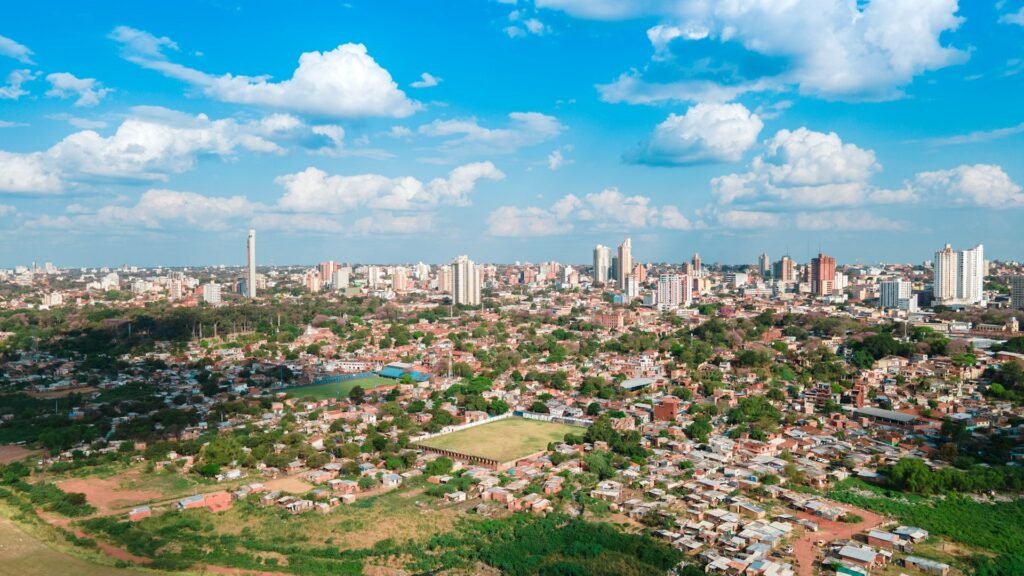
Paraguay stands out as one of the cheapest and easiest countries in South America for obtaining residency. It attracts international retirees primarily because its unique territorial tax system completely exempts foreign income—including pensions—from local taxation. Consequently, retirees can enjoy a comfortable, fulfilling life on very little money and without legal complications, especially since the cost of living is roughly 50% lower than in neighboring South American countries.
Healthcare and Medical Access
Private healthcare in the capital is of a high standard, with English-speaking physicians and hospitals equipped with modern medical technology. Major urban centers offer easy access to private medical services without waiting lists. Moreover, comprehensive private health insurance is very inexpensive for seniors, and the cost of diagnostic tests and medications is roughly half of what they cost in Europe and North America.
Climate and Natural Environment
Summers in Paraguay are undeniably hot and humid, with temperatures occasionally exceeding 35°C, though winters are mild, pleasant, and frost-free. Overall, the country enjoys abundant sunshine most days of the year.
Its natural scenery is equally appealing, boasting river beaches along the banks of the Paraguay and Paraná rivers, tropical forests, vast nature reserves, and open green spaces. Because of minimal factory density and lush vegetation, air quality outside crowded urban centers is remarkably pure.
Lifestyle, Safety, and Community
The expat community in Paraguay is large, diverse, and active, offering abundant group activities such as home gardening, river fishing, and nature walks. Compared to its larger Latin American neighbors, Paraguay is generally safe, with low rates of violent crime in major cities and residential districts, though standard caution against petty street theft is advisable.
The lifestyle is calm, slow-paced, and ideal for those wishing to escape big-city noise. Public transportation is inexpensive, and both taxis and ride-sharing apps operate at minimal rates. The main disadvantages are that Paraguay is landlocked without a direct ocean coastline, and its infrastructure is moderate; road quality and public services in rural areas outside the capital remain modest.
Top Retirement Destinations and Visa Requirements
- Asunción: The capital city, offering the country’s best hospitals, restaurants, and modern residential complexes while maintaining low living expenses.
- Encarnación: A quiet city renowned for its clean river beaches and relaxing atmosphere.
Paraguay provides an accessible residency pathway requiring proof of a stable monthly pension income of approximately $1,000 to $1,200. This grants retirees permanent residency without the need for a substantial financial investment.
| Cost of Living in Paraguay | Estimated Cost (USD) |
|---|---|
| Minimum Monthly Pension Requirement | $1,000 – $1,200 / month |
| Monthly Cost of Living (Single, Excluding Rent) | ~$600 / month |
| Monthly Rent (One-Bedroom Apartment) | $300 – $500 / month |
3. Cambodia: Simple Residency and Tropical Luxury in Southeast Asia

Cambodia ranks among the most affordable and straightforward countries in Southeast Asia regarding residency requirements. It appeals to retirees seeking a tropical lifestyle at a low cost without bureaucratic hurdles. Because daily expenses are considerably lower than in neighboring nations, retirees can enjoy a high standard of comfort—even luxury—on a modest pension of under $1,000 per month.
Healthcare and Medical Access
Healthcare in the capital is reliable for routine medical needs, with modern, well-equipped private hospitals staffed by foreign doctors. Medications and medical consultations are inexpensive and easily accessible without red tape. However, the primary drawback of retiring in Cambodia is limited medical capacity for complex surgeries or severe emergencies; critical cases require traveling immediately to neighboring countries, with Bangkok, Thailand serving as the standard destination for advanced treatment.
Climate and Natural Environment
Cambodia experiences hot summers and warm, dry winters—a season favored by expats—while enjoying sunshine throughout most of the year. Between May and October, the rainy and flood season substantially increases humidity, leading many retirees to choose neighborhoods with strong infrastructure.
The country’s landscape is enchanting, featuring quiet tropical beaches, idyllic southern islands, lush forests, wide riverbanks, and green spaces dotted with ancient landmarks. Globally renowned for the historic Angkor Wat temple complex, Cambodia is also unique for its widespread daily use of the US dollar and checks alongside the local currency.
Lifestyle, Safety, and Community
Life in Cambodia offers an appealing balance: quiet and laid-back in smaller towns, yet vibrant in the capital. Daily routines naturally revolve around strolling along river promenades, relaxing in open-air cafes, participating in gentle water sports, unwinding along the Mekong River, exploring historical sites, practicing yoga, and dining at inexpensive international restaurants.
Violent crime rates against expats are very low, making Cambodia a safe destination, though residents should remain mindful of pickpockets and phone snatching in areas congested with cars and tuk-tuks. Getting around is effortless and cheap, thanks to widespread ride-hailing apps for tuk-tuks that cost less than $1 per trip. Additionally, the expat community is friendly, close-knit, and fluent in English due to the strong presence of international organizations and foreign residents.
Top Retirement Destinations and Visa Requirements
- Phnom Penh: The bustling capital city, providing retirees with international dining, modern shopping malls, and the best medical facilities in the country.
- Kampot: A tranquil riverside town with distinct French colonial charm, ideal for nature lovers seeking peace and exceptionally low living costs.
Cambodia offers one of the easiest retirement visas in the world. Available to anyone over the age of 55 who can demonstrate retirement status or sufficient funds, the visa is renewable annually for roughly $300 per year and requires no minimum monthly income or capital investment.
| Cost of Living in Cambodia | Estimated Cost (USD) |
|---|---|
| Annual Visa Renewal Cost (Age 55+) | ~$300 / year (No monthly minimum) |
| Monthly Cost of Living (Single, Excluding Rent) | ~$700 / month |
| Monthly Rent (One-Bedroom Apartment) | $250 – $400 / month |
2. Bolivia: Dramatic Andean Landscapes and Rock-Bottom Costs
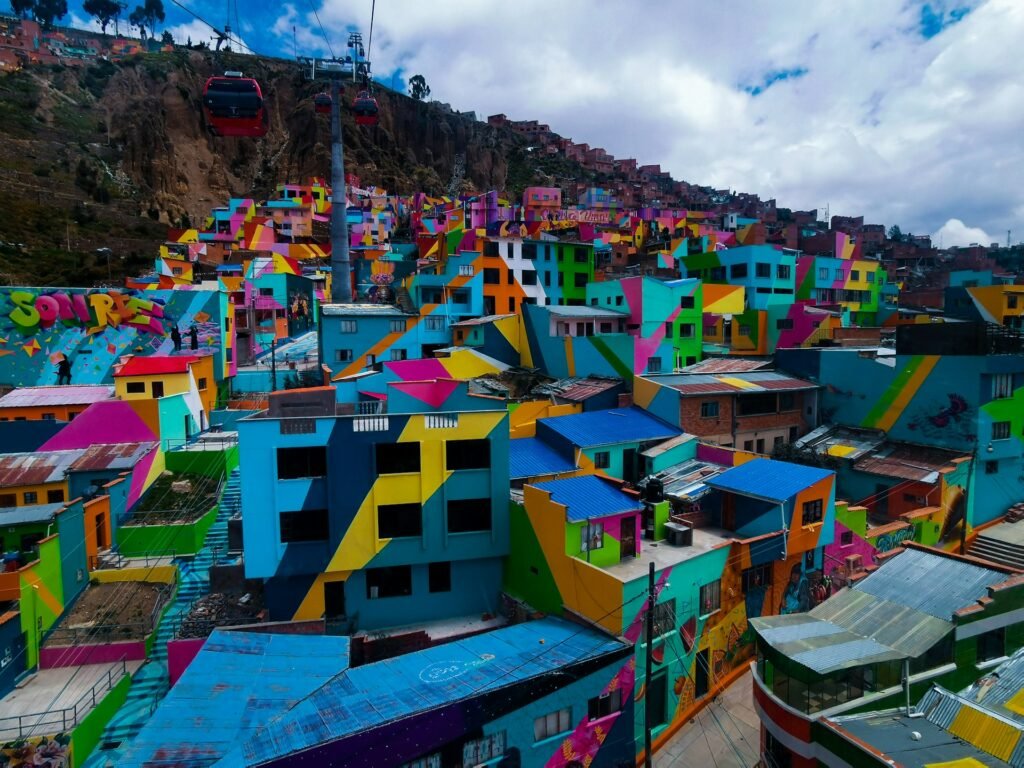
Bolivia is widely recognized as one of the absolute cheapest countries in South America, drawing retirees who dream of living amid the dramatic scenery of the Andes mountains. Because housing and everyday services cost far less than in surrounding nations, a monthly pension of less than $1,000 affords a remarkably high standard of living.
Healthcare and Medical Access
Private healthcare in Bolivia’s major cities is dependable and staffed by physicians educated in Europe and North America. Unlike the public sector, private hospitals deliver prompt service without long waiting lists. Medical tests, procedures, and medications are priced at a fraction of US or European rates, and private health insurance is readily available at modest premiums.
Climate and Natural Environment
Bolivia’s climate varies dramatically by elevation. Summers are temperate with occasional seasonal rains, while winters are dry and cold, particularly in mountainous regions. Sunshine is abundant year-round, though high-altitude cities like La Paz have a chilly climate that requires an adjustment period due to lower oxygen levels. Conversely, lowland cities such as Santa Cruz enjoy a warm, tropical climate.
Naturally, the country offers extraordinary ecological diversity, spanning towering Andean peaks, sprawling green valleys, national parks, and tropical forests. Air quality in mountain towns and rural regions is crisp and pure due to low industrial density. Bolivia is also famous for its rich indigenous heritage and the Salar de Uyuni—the world’s largest salt flat, which transforms into a giant mirror reflecting the sky.
Lifestyle, Safety, and Community
The Bolivian lifestyle is unhurried, traditional, and rooted in simplicity, encouraging retirees to explore traditional folk markets, go mountain trekking, and take part in vibrant local cultural festivals. Regarding safety, violent crime is relatively low compared to several other Latin American countries; however, retirees should stay alert for pickpockets in crowded plazas and be mindful of occasional street protests and strikes.
For daily commuting, Bolivia boasts the world’s longest and highest urban cable car network, connecting cities at very low fares while offering breathtaking panoramic views over the Andes, complemented by regular bus routes. The main drawbacks to consider are a lower overall level of municipal services and extreme elevations above sea level, which can occasionally trigger respiratory or health issues for seniors.
Top Retirement Destinations and Visa Requirements
- Cochabamba: Known as the “City of Eternal Spring,” it features mild year-round weather and a moderate altitude, making it the premier choice for retirees.
- Santa Cruz de la Sierra: Situated in the warm lowlands, this city acts as Bolivia’s modern economic hub and houses its most advanced hospitals and services.
To retire in Bolivia, applicants must provide proof of a stable, continuous foreign income of at least $500 to $700 per month. This grants temporary residency, which can be converted into permanent residency after a few years.
| Cost of Living in Bolivia | Estimated Cost (USD) |
|---|---|
| Minimum Monthly Pension Requirement | $500 – $700 / month |
| Monthly Cost of Living (Single, Excluding Rent) | ~$400 / month |
| Monthly Rent (One-Bedroom Apartment) | $200 – $300 / month |
1. Vietnam: Modern Coastal Infrastructure and Unbeatable Value
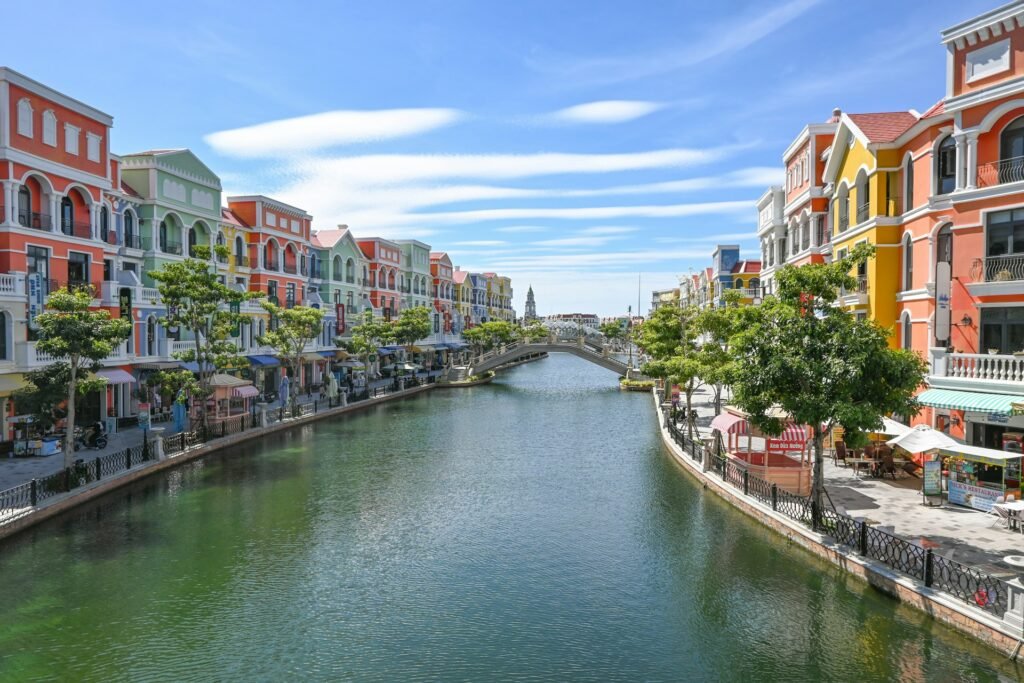
Vietnam takes the top spot as one of Southeast Asia’s premier destinations, seamlessly combining low living costs with modern infrastructure. Retirees here can enjoy a vibrant, comfortable lifestyle complete with international cuisine and advanced coastal healthcare—all at a cost of living roughly 20% cheaper than Thailand and 70% cheaper than the United States or Europe.
Healthcare and Medical Access
Private healthcare in Vietnam’s major cities is outstanding, anchored by accredited international hospitals and doctors fluent in both English and French. These modern facilities offer rapid medical care with zero waiting lists, while diagnostic tests, medications, and consultations remain remarkably affordable without sacrificing quality.
Climate and Natural Environment
Summers in Vietnam are hot and humid with seasonal tropical rainfall, whereas winters are mild and pleasant in the south and cool and dry in the north. Sunshine is prevalent most of the year, though high humidity and the central coast’s storm season between September and November lead many retirees to favor southern or high-altitude regions.
The country’s natural scenery is captivating, encompassing sweeping sandy beaches along the eastern coastline, emerald highlands, terraced rice farms, and tranquil hills with moderate temperatures. Compared to the bustling capital, air quality in coastal cities is clean and refreshing. Vietnam is also celebrated globally for its coastal wonders—most notably Hạ Long Bay—alongside a dynamic street culture famed for exceptional coffee and fresh, healthy cuisine.
Lifestyle, Safety, and Community
Vietnam offers an ideal blend of energetic urban hubs and peaceful coastal towns. Popular pastimes for retirees include relaxing by the sea, immersing themselves in the rich local coffee culture, practicing yoga, playing tennis, and cycling. Ranked among the safest nations in Asia, Vietnam experiences very low rates of violent crime; the primary daily concerns are heavy motorcycle traffic and pickpocketing in busy tourist zones.
Delivery apps and taxis are ubiquitous and very inexpensive, while coastal towns host large, active, and welcoming expat communities.
Top Retirement Destinations and Visa Requirements
- Đà Nẵng: A clean, modern coastal city praised for its scenic beaches, top-notch hospitals, and thriving expat community.
- Nha Trang: A sunny coastal hub offering warm weather year-round and an abundance of affordable housing options.
Unlike the other countries on this list, Vietnam does not yet offer an official, dedicated retirement visa. Consequently, most expats reside in the country using 90-day electronic tourist visas, maintaining long-term stays by taking a brief trip of a few hours to a neighboring country every three months to renew their entry status.
| Cost of Living in Vietnam | Estimated Cost (USD) |
|---|---|
| Visa Structure | 90-Day E-Tourist Visa (Periodic border renewals) |
| Monthly Cost of Living (Single, Excluding Rent) | ~$500 / month |
| Monthly Rent (One-Bedroom Apartment) | $250 – $400 / month |
Summary Comparison: Best Countries to Retire on a Budget
To help compare your options at a glance, the table below outlines the core financial requirements and estimated monthly expenses across all five destinations:
| Country | Minimum Monthly Income | Est. Monthly Living Cost (Excl. Rent) | Est. Monthly Rent (1-Bedroom) |
|---|---|---|---|
| Nicaragua | $600 / month | $700 / month | $200 – $400 / month |
| Paraguay | $1,000 – $1,200 / month | ~$600 / month | $300 – $500 / month |
| Cambodia | None ($300/yr visa fee) | ~$700 / month | $250 – $400 / month |
| Bolivia | $500 – $700 / month | ~$400 / month | $200 – $300 / month |
| Vietnam | None (90-day tourist visa) | ~$500 / month | $250 – $400 / month |
Retiring comfortably on a modest Social Security check or fixed pension does not have to be an impossible dream. Whether you are drawn to the tax-free benefits of Paraguay, the historic lakeside charm of Nicaragua, the effortless residency of Cambodia, the Andean tranquility of Bolivia, or the modern coastal lifestyle of Vietnam, relocating abroad can dramatically expand your purchasing power and quality of life.