Skip to content
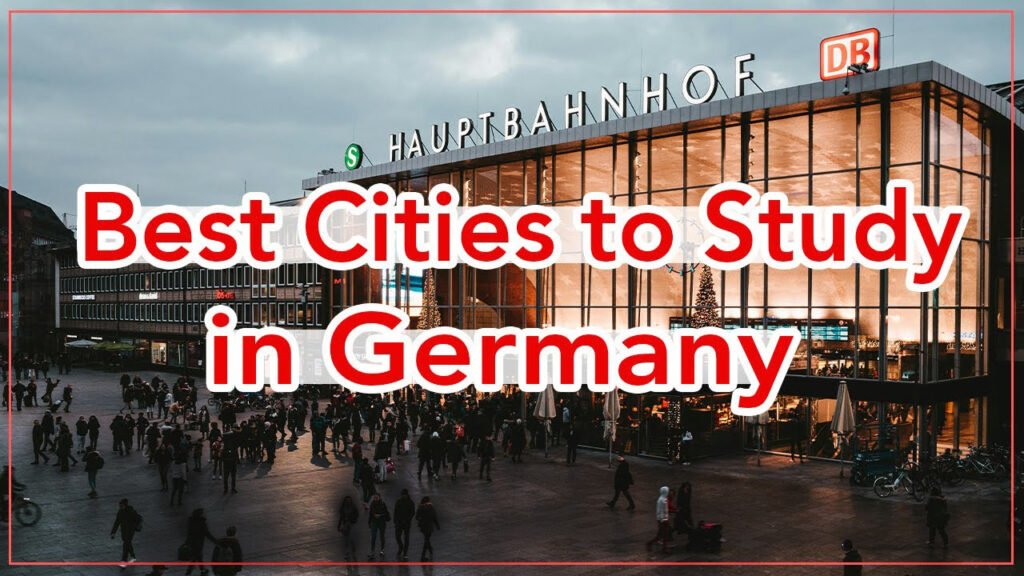
Germany stands out as an economic and technological powerhouse, making it a premier destination for international students seeking high-quality, affordable higher education. Renowned for their prestigious universities, vibrant culture, and manageable expenses, German cities offer exceptional academic opportunities. Below is a detailed, ranked analysis of the top 10 Best Cities in Germany for International Students , evaluated by academic prestige, lifestyle, career prospects, and baseline living costs.
10. Dresden

Dresden is one of Eastern Germany’s most beautiful urban centers, distinguished by its rich history, tranquil atmosphere, and grand architecture—including historic churches, world-class museums, and the famous Opera House. The city features high safety standards, an organized layout, and an efficient public transit network, all while remaining significantly more affordable than metropolises like Berlin or Munich.
- Academic Landscape: Home to roughly 12 higher education institutions, notably the Dresden University of Technology, an institution renowned for engineering and natural sciences.
- Advantages: High safety levels, quiet lifestyle, comprehensive public transit, and budget-friendly living costs.
- Drawbacks: Integration often requires solid German language skills, and the smaller scale of the city can occasionally feel quiet or dull.
| Dresden | Details |
| Estimated Monthly Cost (Excl. Rent) | €990 |
| Higher Education Institutions | ~12 |
| Key Academic Focus | Engineering, Science |
9. Leipzig

Recognized as one of Eastern Germany’s fastest-growing hubs, Leipzig seamlessly merges historical heritage with a modern, dynamic lifestyle. Dubbed “the city that never sleeps,” it is celebrated for its youthful energy, thriving artistic scene, strong safety record, and low cost of living across housing, food, and transit.
- Academic Landscape: Features approximately 10 higher education choices, led by the historical University of Leipzig, which offers acclaimed programs in medicine, languages, and media studies.
- Advantages: Affordable daily living, vibrant youth culture, rich artistic community, and strong safety standards.
- Drawbacks: Cold, foggy winter weather and fewer job prospects compared to economic capitals like Berlin or Munich.
| Leipzig | Details |
| Estimated Monthly Cost (Excl. Rent) | €980 |
| Higher Education Institutions | ~10 |
| Key Academic Focus | Medicine, Media, Languages |
8. Hamburg

As Germany’s second-largest city, Hamburg serves as a wealthy economic powerhouse centered around one of Europe’s largest shipping ports. Affectionately called the “Venice of the North” due to its sweeping waterways, canals, and the iconic Alster Lake, Hamburg balances striking waterfront views with an international, open-minded populace.
- Academic Landscape: Hosts around 20 universities and higher education institutions, including the prominent University of Hamburg.
- Advantages: Abundant career opportunities in shipping, logistics, media, and IT; excellent public transit; high safety; and a diverse, cosmopolitan culture.
- Drawbacks: Higher costs for housing and daily living, alongside frequently rainy, overcast weather with limited annual sunshine.
| Hamburg | Details |
| Estimated Monthly Cost (Excl. Rent) | €1,000 |
| Higher Education Institutions | ~20 |
| Key Academic Focus | Shipping, Logistics, Media, IT |
7. Stuttgart

Situated in southern Germany, Stuttgart ranks among the nation’s wealthiest metropolitan areas. Known globally for its engineering, automotive, and technology sectors, the city is uniquely surrounded by lush greenery, scenic mountains, rolling vineyards, and expansive public parks.
- Academic Landscape: Houses approximately 15 higher education institutions, led by the University of Stuttgart.
- Advantages: High concentration of global corporate headquarters providing high salary potential and career opportunities in IT and automotive engineering; top-tier safety and public transit.
- Drawbacks: Premium living and rental costs, competitive job markets, and a local population that tends to be practical and reserved.
| Stuttgart | Details |
| Estimated Monthly Cost (Excl. Rent) | €1,100 |
| Higher Education Institutions | ~15 |
| Key Academic Focus | Automotive Industry, Engineering, Technology |
6. Frankfurt

Nicknamed the “Manhattan of Germany” owing to its skyline along the Main River, Frankfurt stands as a premier global financial center, housing the European Central Bank and Germany’s primary stock exchange. Its central location and international airport make it an unmatched hub for global travel.
- Academic Landscape: Contains roughly 10 institutions, including the prestigious Goethe University Frankfurt.
- Advantages: Outstanding employment prospects in banking, finance, consulting, and IT; highly international environment; seamless local and global transportation links.
- Drawbacks: High cost of living (particularly central real estate), a demanding, fast-paced environment, and higher localized crime rates near major transport hubs.
| Frankfurt | Details |
| Estimated Monthly Cost (Excl. Rent) | €1,100 |
| Higher Education Institutions | ~10 |
| Key Academic Focus | Banking, Finance, IT, Consulting |
5. Cologne

Positioned along the Rhine River in western Germany, Cologne is the nation’s fourth-largest city and is world-famous for its landmark Cologne Cathedral. It features an open, friendly atmosphere, excellent proximity to neighboring cities like Düsseldorf and Bonn, and a thriving cultural scene.
- Academic Landscape: Accommodates 20 higher education institutions, anchored by the large University of Cologne.
- Advantages: Welcoming locals, high safety standards, strong job markets in media, arts, communications, and services, and ideal regional connectivity.
- Drawbacks: Frequently rainy climate, rapidly climbing rental prices, and localized city congestion during major events and carnival seasons.
| Cologne | Details |
| Estimated Monthly Cost (Excl. Rent) | €1,000 |
| Higher Education Institutions | ~20 |
| Key Academic Focus | Media, Arts, Communications, Education |
4. Aachen

Located near the borders of Belgium and the Netherlands, Aachen is a classic, cozy university town famous for historical architecture, festive Christmas markets, and charming local cafes. Its compact size creates an environment catered almost entirely to student life.
- Academic Landscape: Features around five institutions, highlighted by RWTH Aachen University—one of Europe’s top destinations for technology and engineering studies.
- Advantages: Very affordable public transit, lower overall cost of living, high safety levels, and simple travel access into neighboring European countries.
- Drawbacks: Smaller job market post-graduation due to city size, requiring many graduates to relocate, paired with chilly, humid weather.
| Aachen | Details |
| Estimated Monthly Cost (Excl. Rent) | €970 |
| Higher Education Institutions | ~5 |
| Key Academic Focus | Engineering, Technology |
3. Heidelberg

Heidelberg is a picturesque town in southwestern Germany situated along the Neckar River, famous for its colorful historic homes, cobblestone streets, surrounding mountains, and vibrant library-and-cafe culture.
- Academic Landscape: Contains roughly five higher education institutions, centered around Heidelberg University—one of the oldest and most celebrated universities in Germany.
- Advantages: Safe, highly academic environment with a welcoming global community, stunning scenery, and short transit distances to major hubs like Frankfurt and Stuttgart.
- Drawbacks: Elevated rental and general living expenses relative to its size, along with limited post-graduate employment options within the city itself.
| Heidelberg | Details |
| Estimated Monthly Cost (Excl. Rent) | €1,000 |
| Higher Education Institutions | ~5 |
| Key Academic Focus | Academic Studies, Liberal Arts, Sciences |
2. Berlin

As the national capital and Germany’s largest urban center, Berlin is a global epicenter for history, modern art, policy, and technological innovation. The city offers an energetic, highly diverse international culture paired with student-friendly amenities and extensive career networks.
- Academic Landscape: Hosts approximately 40 accredited higher education institutions, including top-ranked research hubs like the Free University of Berlin and Humboldt University.
- Advantages: Abundant career prospects in technology, economics, media, and the arts; extensive budget dining options; reasonable expenses compared to other European capital cities.
- Drawbacks: High population density, crowded public transit networks, fast-paced living, and complex local administrative processes.
| Berlin | Details |
| Estimated Monthly Cost (Excl. Rent) | €1,000 |
| Higher Education Institutions | ~40 |
| Key Academic Focus | Technology, Media, Arts, Economics |
1. Munich

Taking the top spot, Munich—the capital of Bavaria—is set against the backdrop of the Alps and stands as one of Germany’s most prosperous, safe, and sophisticated cities. Serving as a global center for education, technology, finance, and industrial growth, Munich offers an exceptional overall quality of life.
- Academic Landscape: Houses around 20 world-leading institutions, including the Technical University of Munich (TUM) and Ludwig Maximilian University of Munich (LMU).
- Advantages: World-class academic reputation, extensive student discounts, premier safety ratings, immaculate transit systems, and unparalleled post-graduate job placement across major corporations.
- Drawbacks: Holds the highest cost of living and housing in Germany, accompanied by a somewhat formal local social culture.
| Munich | Details |
| Estimated Monthly Cost (Excl. Rent) | €1,100 |
| Higher Education Institutions | ~20 |
| Key Academic Focus | Technology, Finance, Education, Industry |