 Skip to content
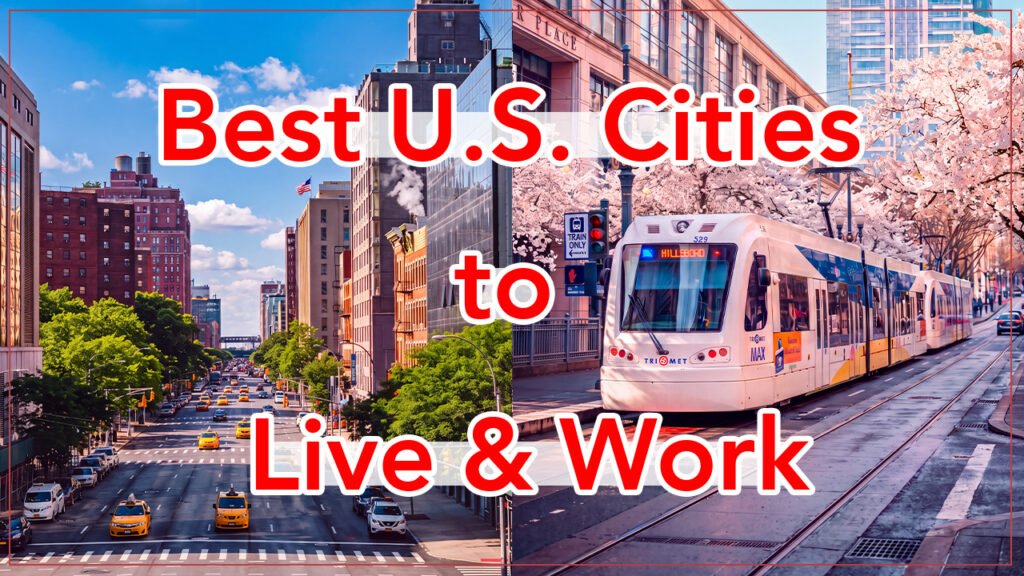
The United States is home to a vast array of cities, each possessing its own unique identity that sets it apart. From tech and innovation hubs offering some of the highest salaries in the world to rapidly growing emerging cities with comfortable costs of living—and peaceful locales blending high quality of life with low taxes—America remains a true land of opportunity. Whether pursuing a career at global corporations, seeking personal growth and education, or looking for a fresh start for a family in a safe and advanced environment, These 10 best cities to work in the U.S. stand out for their job markets, average salaries, cost of living relative to income, and overall quality of life.
1. Raleigh, North Carolina
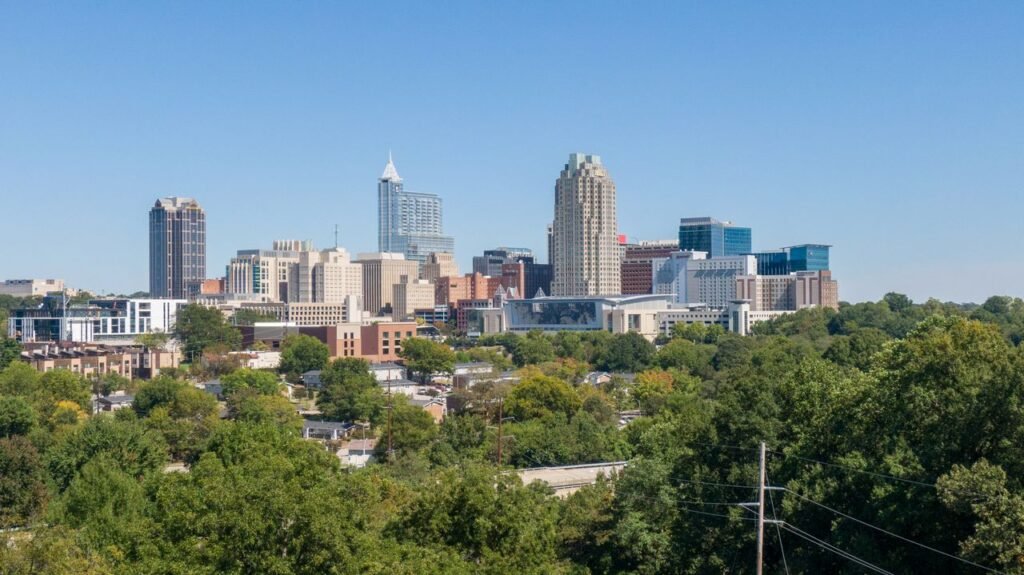
Taking the top spot is Raleigh, North Carolina. Known as the “City of Oaks” for its sprawling oak trees and leafy neighborhoods, Raleigh features scenic locations like Lake Johnson and William B. Umstead State Park. The city experiences short, mild winters without heavy snow, as well as pleasant springs, autumns, and warm summers.
Raleigh offers world-class, free public museums, including the North Carolina Museum of Natural Sciences and the North Carolina Museum of History, alongside a downtown food and arts scene.
Cost of Living & Quality of Life
Raleigh offers one of the best cost-to-quality ratios in the nation. Living costs remain close to the national average, while housing provides strong value. Spacious homes with yards are available in safe, family-friendly suburbs like Cary and Wake Forest.
As part of the renowned Research Triangle, Raleigh is anchored by three major research universities: North Carolina State University, Duke University (in nearby Durham), and UNC at Chapel Hill. Primary healthcare facilities include Duke University Health System and UNC Health Hospitals, delivering global-level medical care and clinical research.
Job Market & Key Sectors
Supported by the Research Triangle Park, Raleigh boasts a thriving, future-focused economy. Key hiring fields include:
- Software engineering, IT, and artificial intelligence
- Bioresearch, biotechnology, and pharmaceuticals
- Higher education and research
- Healthcare and clinical medicine
Considerations
Raleigh features low crime rates, excellent schools, and strong economic stability. However, the city has a quieter, suburban pace, high competition in elite tech/academic jobs, and limited public transportation, making a personal car necessary for commuting.
Financial Breakdown
| Financial Metric | Estimated Amount |
| Average Monthly Income (per person) | ~$4,300 |
| Monthly Cost of Living (excluding rent) | ~$1,200 |
| Monthly Rent (1-Bedroom Apartment) | $1,300 – $1,800 |
2. Nashville, Tennessee
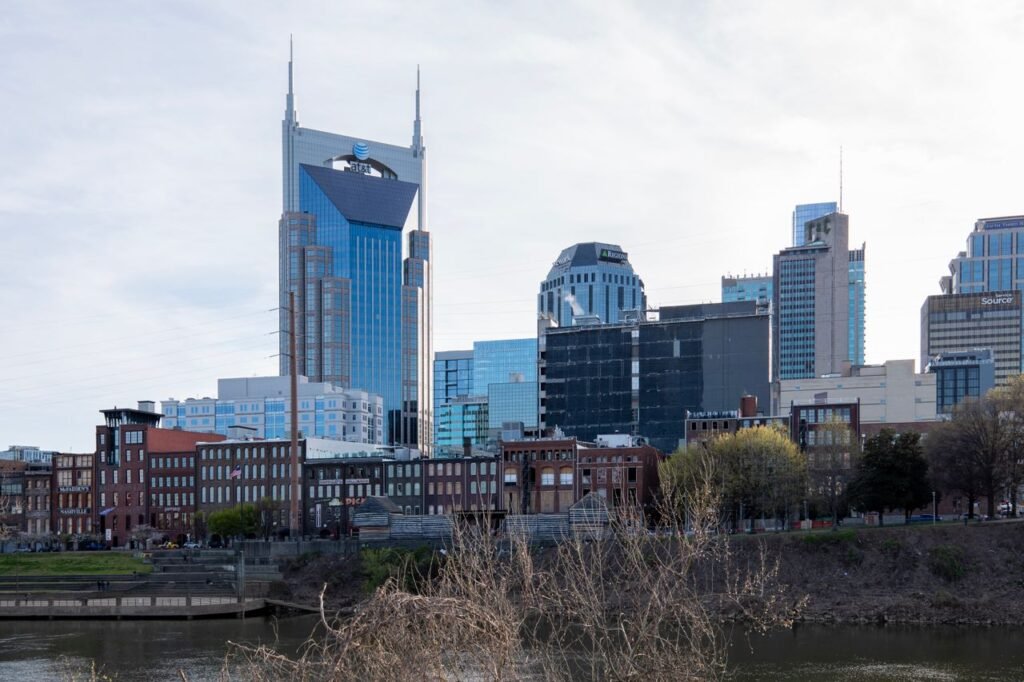
Tennessee’s capital, Nashville, seamlessly blends a world-famous arts and entertainment culture with a booming corporate health and tech economy. Situated on the Cumberland River amid rolling green hills, it features short, mild winters and warm summers. Known worldwide as “Music City,” live music plays around the clock along historic Broadway. Centennial Park houses a full-scale replica of the ancient Greek Parthenon—making it clear why Tennessee as a whole continuously ranks among the best states to retire in the U.S.
Cost of Living & Quality of Life
Housing costs sit slightly above national averages due to high regional demand, but Tennessee residents benefit from no state income tax. Everyday living expenses for goods and services remain reasonable. Nicknamed the “Athens of the South” for its educational institutions, Nashville is home to top-tier Vanderbilt University.
Job Market & Key Sectors
Nashville is considered the healthcare management capital of the United States, hosting headquarters for over 180 major healthcare and hospital management corporations. Core industries include:
- Healthcare management, medicine, and nursing
- Information technology and cybersecurity
- Finance and business administration
- Entertainment, music production, and tourism
Considerations
The city offers strong economic growth and high creative energy. Housing costs continue to rise as more residents move into the metro area.
Financial Breakdown
| Financial Metric | Estimated Amount |
| Average Monthly Income (per person) | ~$4,500 |
| Monthly Cost of Living (excluding rent) | ~$1,300 |
| Monthly Rent (1-Bedroom Apartment) | $1,400 – $2,000 |
3. Austin, Texas
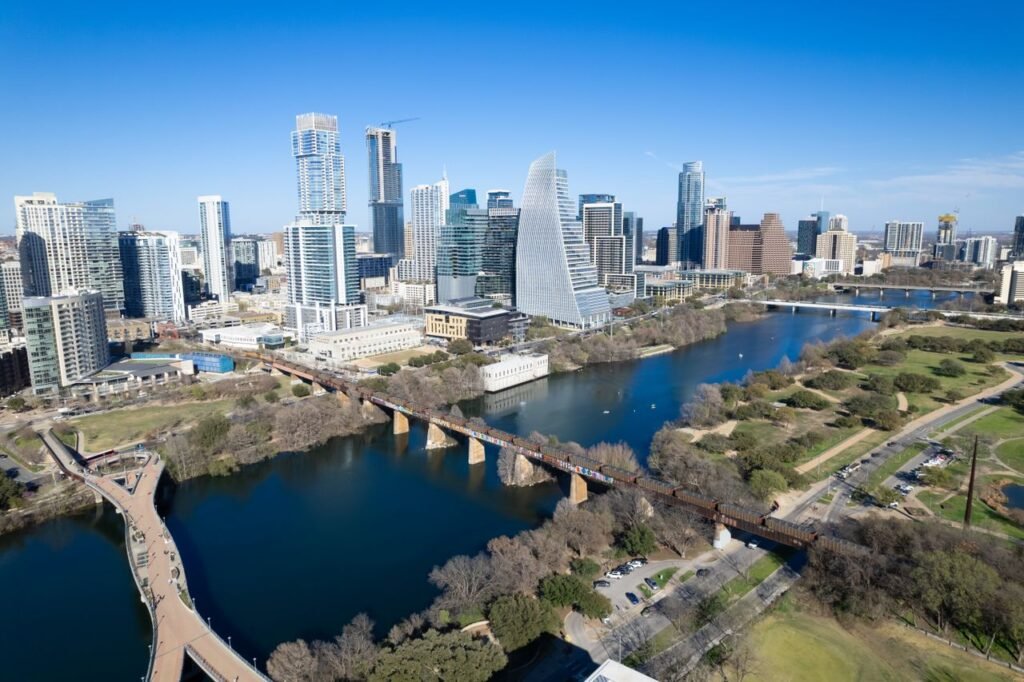
Austin combines a tech-driven economy with an outdoors-focused, creative environment. Built around the Colorado River in central Texas, the city features central greenbelts for kayaking, running, and swimming in natural spring-fed locations like Barton Springs Pool. Winters are short and mild, while hot summers encourage lake recreation.
Officially recognized as the “Live Music Capital of the World,” music plays throughout the city’s venue districts year-round. Austin hosts the world-renowned South by Southwest (SXSW) conference and festival, as well as the nation’s largest urban bat colony under the Congress Avenue Bridge.
Cost of Living & Quality of Life
Austin’s popularity has driven housing costs higher than in other Texas cities. However, Texas residents pay no state income tax, providing a notable tax advantage. The University of Texas at Austin serves as a major talent incubator for tech and business. Healthcare is supported by networks such as Ascension Seton, St. David’s, and UT academic medical centers.
Job Market & Key Sectors
Austin remains a major expansion destination for corporate headquarters and tech giants. Key job categories include:
- Software, artificial intelligence, and hardware engineering
- Advanced manufacturing and electric vehicles
- Finance and corporate administration
- Healthcare services
Considerations
Summer heat can be intense, with temperatures frequently exceeding 100°F (40°C) for extended stretches. Additionally, rapid population growth has increased peak-hour traffic congestion.
Financial Breakdown
| Financial Metric | Estimated Amount |
| Average Monthly Income (per person) | ~$5,000 |
| Monthly Cost of Living (excluding rent) | ~$1,200 |
| Monthly Rent (1-Bedroom Apartment) | $1,300 – $2,000 |
4. Salt Lake City, Utah

Located in a high valley framed by the Wasatch Range and the Great Salt Lake, Salt Lake City is earning recognition as a tech epicenter, often termed the “Silicon Slopes”. It delivers four distinct seasons, including dry summers and winters famous for ultra-fine powder snow, branded officially as the “Greatest Snow on Earth”.
Cultural highlights include historic Temple Square in downtown and world-class ski resorts in Park City just 40 minutes away, which also hosts the annual Sundance Film Festival.
Cost of Living & Quality of Life
Though real estate prices have climbed due to high inward migration, Utah maintains relatively low income taxes and strong state fiscal health. The University of Utah drives regional research in engineering, medicine, and business. Intermountain Health provides state-of-the-art medical, genomic, and oncology facilities across the West.
Job Market & Key Sectors
With an extremely low unemployment rate, companies actively recruit across tech and finance. High-demand fields include:
- Software engineering, AI, and data analytics
- Cybersecurity
- Financial services and investment management
- Advanced healthcare and medical research
Considerations
Salt Lake City is notable for cleanliness, safety, and community friendliness. However, winter brings occasional atmospheric inversions that trap cold air and lower air quality in the valley for short periods, alongside heavy winter snow accumulation.
Financial Breakdown
| Financial Metric | Estimated Amount |
| Average Monthly Income (per person) | ~$4,200 |
| Monthly Cost of Living (excluding rent) | ~$1,100 |
| Monthly Rent (1-Bedroom Apartment) | $1,400 – $1,600 |
5. Portland, Oregon

Embracing its well-known motto, “Keep Portland Weird,” Oregon’s largest city stands out as an epicenter of hipster culture, artisan coffee, eco-innovation, and natural beauty. Surrounded by thick evergreen forests, rivers with historic bridges, and views of Mount Hood, Portland features mild, rainy winters that keep the region green year-round, alongside sunny, comfortable summers.
Notable spots include Multnomah Falls located just outside the city, Powell’s City of Books (the world’s largest independent bookstore, spanning an entire city block), and extensive food cart pods offering culinary options from around the globe.
Cost of Living & Quality of Life
Housing prices range from moderate to high, particularly in walkable central neighborhoods. However, the state of Oregon charges no state sales tax, aiding overall affordability. Education centers on sustainability and creativity at schools like the University of Portland and Portland State University. Oregon Health & Science University (OHSU) provides West Coast medical care with world-renowned cancer research and neurosurgery programs.
Job Market & Key Sectors
Known as the “Silicon Forest,” Portland hosts major technology hubs and global sportswear design centers. Key hiring industries include:
- Software engineering and tech development
- Sportswear and apparel design
- Clean energy and environmental technologies
- Healthcare and nursing
Considerations
Portland is highly pedestrian- and bicycle-friendly, with an expansive culinary scene. Downsides include seasonal overcast skies and rain that can affect mood, along with homelessness challenges in parts of downtown common to West Coast metropolitan areas.
Financial Breakdown
| Financial Metric | Estimated Amount |
| Average Monthly Income (per person) | ~$4,800 |
| Monthly Cost of Living (excluding rent) | ~$1,500 |
| Monthly Rent (1-Bedroom Apartment) | $1,700 – $2,200 |
6. Denver, Colorado

Sitting at an elevation of exactly 5,280 feet, the “Mile High City” couples mountain scenery with a strong tech and aerospace economy. Denver averages over 300 sunny days per year. Snowy winters are ideal for skiing, with sunny days quickly clearing street snow, while summers stay pleasantly mild.
Culture and outdoor life intersect at the Red Rocks Amphitheatre, a natural open-air venue carved into red rock formations. Denver sits near Rocky Mountain National Park for hiking and camping, while its historic LoDo (Lower Downtown) district offers active nightlife and dining.
Cost of Living & Quality of Life
Due to high migration demand, Denver’s real estate and living costs sit above the national average. However, local salaries are robust. Nearby academic institutions include CU Boulder and the University of Denver. For health, Denver houses National Jewish Health—the nation’s top-ranked hospital for respiratory conditions—and is consistently rated among the healthiest, most active cities in America.
Job Market & Key Sectors
Denver serves as a major national center for aerospace and technology. Primary employment sectors include:
- Software and technology engineering
- Aerospace and aviation manufacturing
- Renewable energy and environmental protection
- Luxury tourism and outdoor recreation
- Medical care
Considerations
The high altitude lower oxygen levels can cause brief headaches or dryness upon arrival until acclimatization occurs. Housing costs also require a solid budget.
Financial Breakdown
| Financial Metric | Estimated Amount |
| Average Monthly Income (per person) | ~$4,500 |
| Monthly Cost of Living (excluding rent) | ~$1,300 |
| Monthly Rent (1-Bedroom Apartment) | $1,700 – $2,000 |
7. Omaha, Nebraska
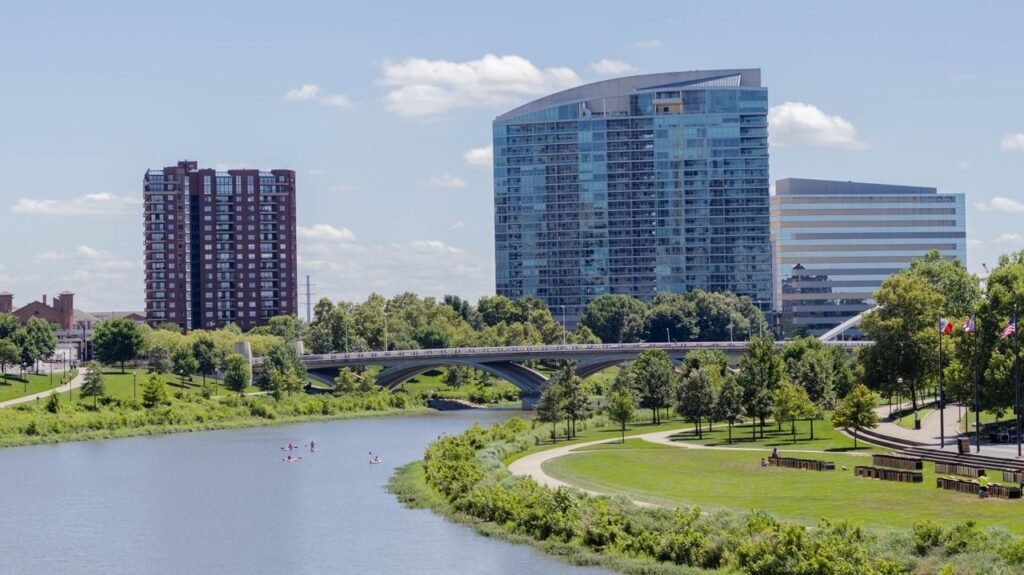
Often underestimated as pure farmland, Omaha is a secure, highly stable Midwest gem and the home base of world-renowned investor Warren Buffett. Positioned along the Missouri River, the city offers expansive plains, public parks, botanical gardens, and four distinct seasons.
Omaha boasts the world-renowned Henry Doorly Zoo—featuring the world’s largest indoor rainforest and largest indoor desert under a glass dome. The historic Old Market district offers brick-paved streets, horse-drawn carriages, and restaurants serving world-famous Omaha steaks.
Cost of Living & Quality of Life
Omaha offers an exceptionally low cost of living, with affordable housing, inexpensive insurance, and accessible everyday services that make saving and investing straightforward. Higher education includes Creighton University and the University of Nebraska, while the public school system ranks among the best in the region. Healthcare is anchored by the University of Nebraska Medical Center (UNMC), globally recognized for advanced research, quarantine protocols, and gene therapy.
Job Market & Key Sectors
Omaha hosts the corporate headquarters for four Fortune 500 companies, led by Berkshire Hathaway. Benefiting from low unemployment rates, key industries include:
- Insurance and financial services
- Information technology and cybersecurity
- Healthcare
- Advanced food manufacturing and agriculture
Considerations
Residents enjoy low crime, minimal traffic, and friendly communities. Drawbacks include freezing winters with harsh winds and a lack of ocean access.
Financial Breakdown
| Financial Metric | Estimated Amount |
| Average Monthly Income (per person) | ~$4,000 |
| Monthly Cost of Living (excluding rent) | ~$1,200 |
| Monthly Rent (1-Bedroom Apartment) | $1,000 – $1,500 |
8. Charlotte, North Carolina
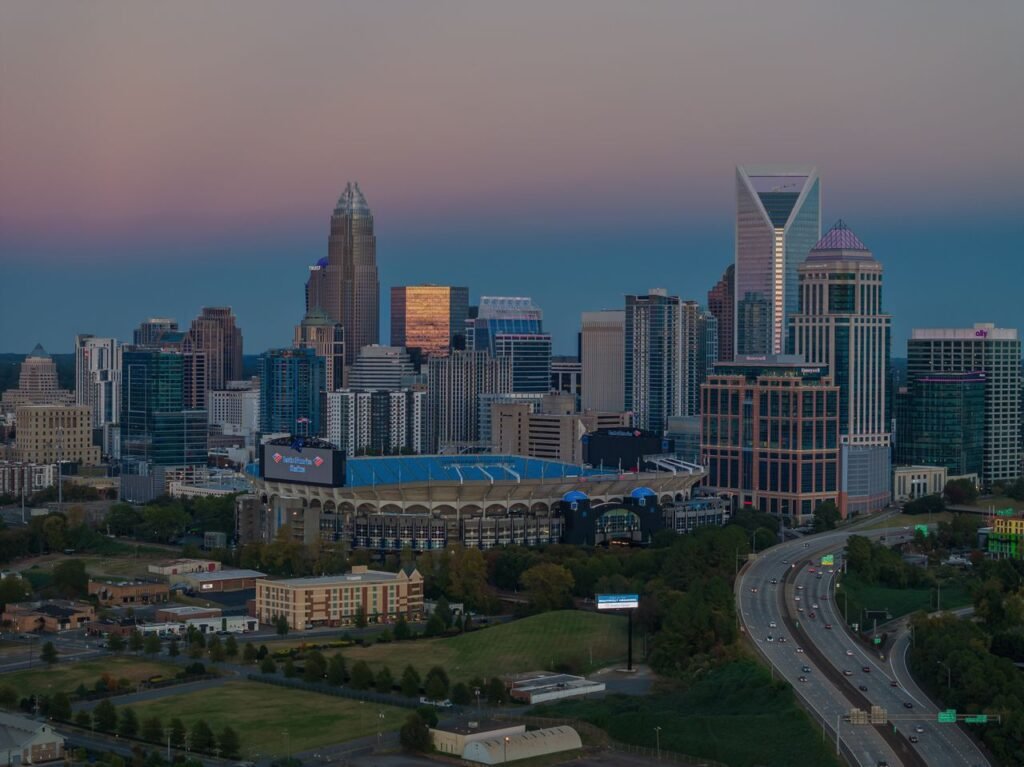
Known as the “Queen City,” Charlotte is a fast-growing financial giant that balances business power with green spaces and suburban stability. Serving as the second-largest banking center in the United States, its skyline of skyscrapers rises directly out of dense urban tree canopies, creating the appearance of a forest city from above.
The local weather is mild with short winters and pleasant springs and autumns. Outdoor attractions include nearby Lake Norman, the NASCAR Hall of Fame, Carowinds Amusement Park, and the US National Whitewater Center for rafting and outdoor climbing.
Cost of Living & Quality of Life
Charlotte’s cost of living aligns closely with the national average while offering elevated quality of life. Housing varies from vibrant uptown apartments to family-friendly, upscale suburbs like South Park and Ballantyne. UNC Charlotte powers academic research, public suburban schools rate highly, and major health networks like Atrium Health and Novant Health deliver cutting-edge medical care.
Job Market & Key Sectors
As corporate headquarters for Bank of America and a primary hub for Wells Fargo, Charlotte is a major destination for finance professionals. Major employment drivers include:
- Banking, finance, and accounting
- Information technology
- Energy and sustainable ecosystems
- Healthcare
Considerations
Charlotte is clean, organized, safe, and economically resilient against recessions. Rapid expansion, however, has led to growing peak-hour traffic, and public transit does not cover all areas, making car ownership necessary.
Financial Breakdown
| Financial Metric | Estimated Amount |
| Average Monthly Income (per person) | ~$4,300 |
| Monthly Cost of Living (excluding rent) | ~$1,200 |
| Monthly Rent (1-Bedroom Apartment) | $1,500 – $2,000 |
9. Charleston, South Carolina
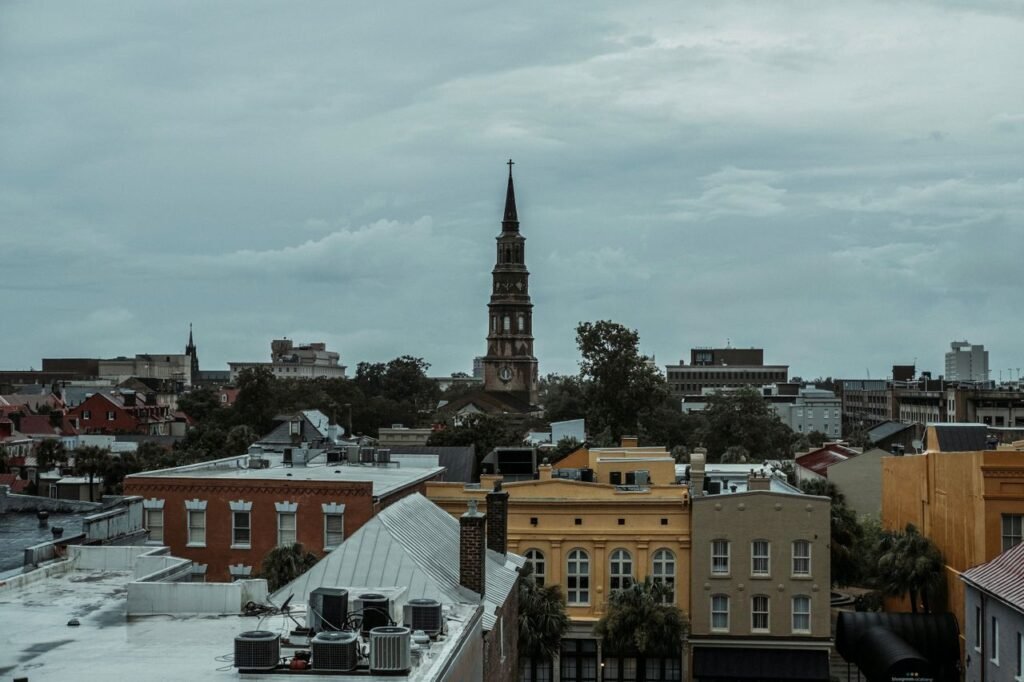
Consistently named among the most beautiful small cities in America, coastal Charleston charms visitors and residents with its rich history, breathable coastal air, and picturesque oak trees framing the Atlantic Ocean. The city features warm, short winters with rare snowfall, long sunny summers, and a relaxed, continuous vacation atmosphere.
Charleston functions as an open-air museum, highlighted by the pastel historic homes of Rainbow Row, the waterfront views and historic cannons of The Battery, cobblestone street carriage tours, and an internationally award-winning seafood scene.
Cost of Living & Quality of Life
While high demand drives up downtown historic real estate into the millions, surrounding suburbs like Mount Pleasant and Summerville offer reasonably priced housing while maintaining access to top-tier services and quality of life. Education features institutions like the College of Charleston and The Citadel military college. Healthcare is anchored by the Medical University of South Carolina (MUSC), a leading Southern medical and research center.
Job Market & Key Sectors
Dubbed “Silicon Harbor” due to its booming tech and startup scene, Charleston’s economy spans far beyond tourism. Prominent sectors include:
- Aircraft manufacturing (featuring a major production plant)
- Automotive manufacturing
- Engineering
- Tourism, hotel management, and fine dining
- Logistics (driven by the busy Port of Charleston)
Considerations
The city boasts high safety, warm hospitality, and close proximity to beaches. The main trade-offs are intense summer humidity and heat, alongside seasonal hurricane risks that raise home insurance costs.
Financial Breakdown
| Financial Metric | Estimated Amount |
| Average Monthly Income (per person) | ~$4,600 |
| Monthly Cost of Living (excluding rent) | ~$1,500 |
| Monthly Rent (1-Bedroom Apartment) | $1,700 – $2,300 |
10. Indianapolis, Indiana
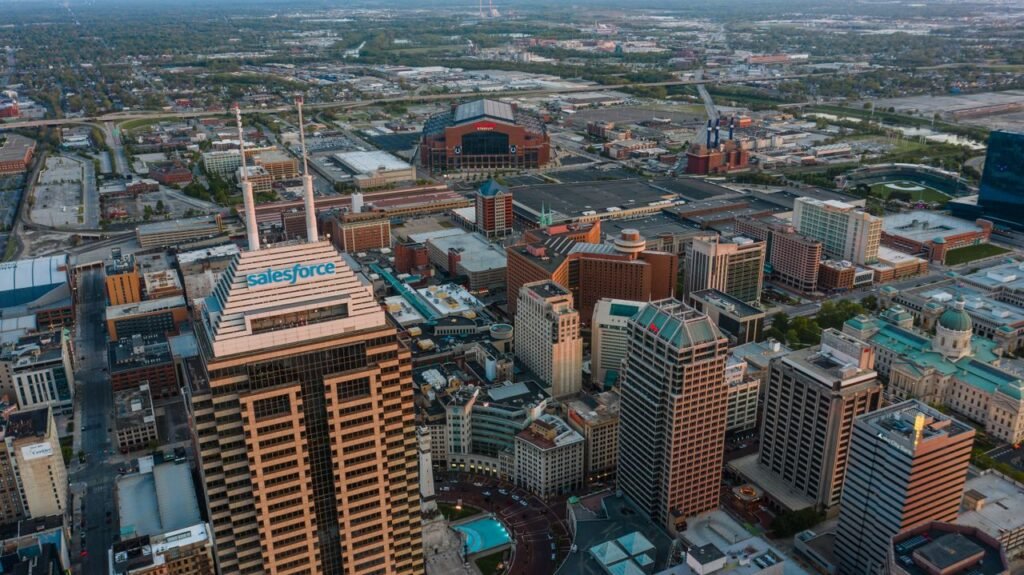
Indianapolis, the capital of Indiana, is a hidden gem that combines a robust economy, an affordable cost of living, and access to world-class education. Situated on a flat landscape crossed by the scenic White River, the city experiences all four distinct seasons: warm summers for outdoor recreation, vibrant autumn foliage, cold winters with snowfall, and a classic American experience.
Known as a sports and entertainment hub, Indianapolis houses the world-famous Indianapolis Motor Speedway (home of the Indy 500) and the largest children’s museum in the world. Downtown, the Canal Walk waterfront walkway offers pedal boat rentals for family or romantic outings. Culturally, Newfields integrates fine arts directly with nature.
Cost of Living & Quality of Life
The cost of living sits noticeably below the national average, featuring highly affordable real estate, food, transportation, and daily services. Public schools are tech-equipped, and the city benefits from proximity to top institutions like Purdue University and Indiana University. Healthcare is supported by massive hospital networks, including some of the nation’s premier medical centers.
Job Market & Key Sectors
Nicknamed the “Crossroads of America” due to its central geographic location, Indianapolis has a rapidly expanding job market. Key sectors in high demand include:
- Healthcare and nursing
- Information technology
- Manufacturing
- Engineering
- Logistics and shipping
Considerations
Residents benefit from friendly locals, strong economic backing, and minimal traffic congestion. However, winter cold waves can be freezing, and public transit is limited, making a private vehicle essential.
Financial Breakdown
| Financial Metric | Estimated Amount |
| Average Monthly Income (per person) | ~$4,600 |
| Monthly Cost of Living (excluding rent) | ~$1,200 |
| Monthly Rent (1-Bedroom Apartment) | $1,300 – $1,700 |
City Comparison Overview
| City | Average Monthly Income | Cost of Living (No Rent) | 1-Bedroom Rent Range | Standout Advantage |
| Indianapolis, IN | ~$4,600 | ~$1,200 | $1,300 – $1,700 | Highly affordable cost of living & logistics hub |
| Charleston, SC | ~$4,600 | ~$1,500 | $1,700 – $2,300 | “Silicon Harbor” tech scene & coastal heritage |
| Charlotte, NC | ~$4,300 | ~$1,200 | $1,500 – $2,000 | Major banking hub with dense urban green spaces |
| Omaha, NE | ~$4,000 | ~$1,200 | $1,000 – $1,500 | Low unemployment, low crime, & Fortune 500 bases |
| Denver, CO | ~$4,500 | ~$1,300 | $1,700 – $2,000 | 300+ sunny days, Rocky Mountain access, & aerospace hub |
| Portland, OR | ~$4,800 | ~$1,500 | $1,700 – $2,200 | No state sales tax & “Silicon Forest” tech sector |
| Salt Lake City, UT | ~$4,200 | ~$1,100 | $1,400 – $1,600 | Low taxes, world-class skiing, & “Silicon Slopes” boom |
| Austin, TX | ~$5,000 | ~$1,200 | $1,300 – $2,000 | No state income tax & global live music/tech hub |
| Nashville, TN | ~$4,500 | ~$1,300 | $1,400 – $2,000 | No state income tax & national healthcare capital |
| Raleigh, NC | ~$4,300 | ~$1,200 | $1,300 – $1,800 | Research Triangle access, top schools, & balanced economy |
*Financial metrics and cost estimates are compiled using figures from the Numbeo Cost of Living Database.


