Skip to content

The United States spans a vast geographic area that resembles an entire continent. This immense scale, combined with its distinct states, creates a rich diversity that opens doors of opportunity across virtually every field. Consequently, the nation remains a premier dream destination for individuals worldwide—whether aspiring to build a professional career with rewarding compensation, pursuing academic education at prestigious universities, seeking a high quality of life, or discovering iconic tourist destinations and diverse cultural experiences.
Choosing the ideal place to settle requires evaluating key factors such as economic advantages, drawbacks, career opportunities, and expenses. Below is a comprehensive guide to the top 10 U.S. states to live and work in, ranked from number ten to number one.
10. Tennessee

Located in the southeastern region of the United States, Tennessee features a highly distinctive geographic landscape. Encompassing the Smoky Mountains and the Mississippi River, the state serves as a haven for enthusiasts of nature and tranquility.
Beyond its scenery, Tennessee offers a strong, diverse economy alongside a cost of living that remains notably low compared to many other states, particularly regarding rental housing. However, prospective residents should consider its drawbacks. The overall education level remains average, and the healthcare system faces challenges, with approximately 11% of the population lacking health insurance. Furthermore, certain urban centers experience elevated crime rates.
Culture, Tourism, and Education
Tourism in Tennessee is deeply rooted in culture, music, and history. Famous landmarks include Great Smoky Mountains National Park, Beale Street—renowned for its iconic music clubs—and the Country Music Hall of Fame. Although only 30% of the population currently holds a higher education degree, government initiatives are actively working to enhance academic standards and expand university enrollment. While Tennessee houses robust hospitals and research centers, the high cost of treatment remains a hurdle for uninsured individuals.
Job Market and Financial Breakdown
Tennessee provides employment opportunities across a broad spectrum of industries, including healthcare, education, services, manufacturing, logistics, shipping, agriculture, tourism, and entertainment.
| Financial Metric | Estimated Amount (USD) |
| Average Monthly Income (Per Person) | $4,500 |
| Monthly Cost of Living (Excluding Rent) | $1,200 |
| Monthly Rent (1-Bedroom Apartment) | $1,400 – $1,900 |
9. Utah

Situated in the western United States, Utah combines extraordinary natural scenery, high safety standards, robust job growth, and a peaceful lifestyle. As one of the fastest-growing states in the nation, it has become an increasingly popular alternative to congested and costly metropolitan areas.
Utah’s landscape features dramatic mountains, expansive deserts, and colorful rocky canyons. World-renowned outdoor attractions include Zion National Park, Bryce Canyon National Park, Arches National Park, and Monument Valley. Year-round activities like winter skiing and summer hiking ensure an active lifestyle.
On the downside, surging demand has driven up housing and rental prices. Weather conditions can reach extremes—hot summers and severe cold in winter—and those seeking vibrant nightlife may find the state’s social scene relatively quiet.
Academic and Healthcare Landscape
Utah boasts strong academic institutions, particularly in technical disciplines. Its healthcare system relies on modern medical facilities and high-quality services, though care remains expensive without adequate insurance coverage.
Job Market and Financial Breakdown
Key employment sectors in Utah include technology, engineering, healthcare, construction, real estate, and tourism.
| Financial Metric | Estimated Amount (USD) |
| Average Monthly Income (Per Person) | $4,300 |
| Monthly Cost of Living (Excluding Rent) | $1,100 |
| Monthly Rent (1-Bedroom Apartment) | $1,300 – $1,500 |
8. Connecticut

Positioned in the northeastern United States, Connecticut offers a refined, quiet quality of life in close proximity to major metropolitan hubs like New York City and Boston. This strategic location enables residents to enjoy the economic benefits of major cities while residing in peaceful communities adorned with ocean coastlines, lush forests, and historic small towns.
Connecticut stands out for its high standard of living and low crime rates. Nevertheless, its disadvantages include high overall living expenses, elevated tax rates, and premium rent prices—especially in areas near New York. Additionally, job growth in certain sectors can be less expansive than in larger states.
Education, Healthcare, and Culture
The state excels in education, featuring elite public schools, world-class universities, and a heavy emphasis on scientific research. Healthcare is equally advanced, anchored by top-tier hospitals and specialized medical staff. Cultural landmarks such as Mystic Seaport and Gillette Castle reflect its subtle, sophisticated tourism profile.
Job Market and Financial Breakdown
Primary employment sectors in Connecticut include specialized fields such as banking, finance, education, and healthcare.
| Financial Metric | Estimated Amount (USD) |
| Average Monthly Income (Per Person) | $4,000 |
| Monthly Cost of Living (Excluding Rent) | $1,000 |
| Monthly Rent (1-Bedroom Apartment) | $1,600 – $2,000 |
7. Colorado

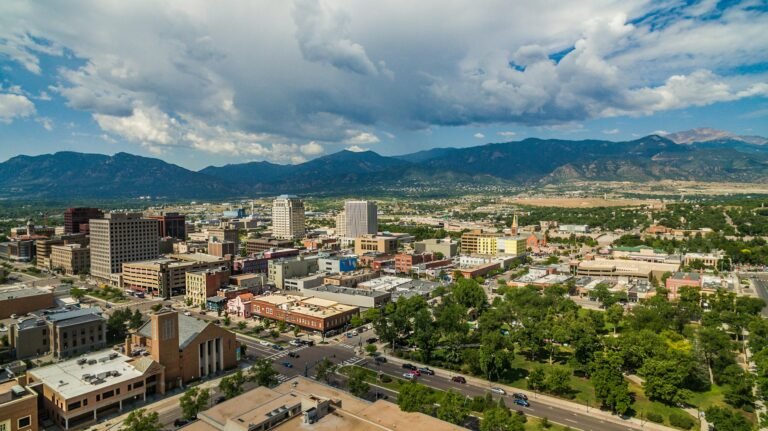
Located in the heart of the American West, Colorado is defined by its dramatic mountain landscapes, abundant annual sunshine, and rapidly expanding economy. Home to the massive Rocky Mountains, the state emphasizes an outdoor-centric lifestyle centered around health, skiing, camping, and hiking.
At the center of this growth is Denver, widely recognized as one of the top choices among the top 10 best cities to live and work in the U.S. thanks to its booming job market, vibrant urban atmosphere, and seamless access to world-class outdoor recreation.
While Colorado provides clean, organized cities and strong economic momentum, rapid population growth has brought challenges. Major urban areas face increasing congestion and elevated costs of living. Additionally, daily weather conditions can fluctuate drastically, and new residents often require an adjustment period to acclimate to the high geographic altitude.
Culture, Education, and Healthcare
Colorado is a premier destination for travel, hosting millions of visitors annually at landmarks such as Mesa Verde National Park and Rocky Mountain National Park. Academic opportunities are strong, particularly in engineering and scientific disciplines. The healthcare infrastructure is highly advanced, providing excellent service despite high out-of-pocket costs for the uninsured.
Job Market and Financial Breakdown
Colorado’s thriving employment sectors include technology, energy, tourism, startup enterprises, healthcare, engineering, and construction.
| Financial Metric | Estimated Amount (USD) |
| Average Monthly Income (Per Person) | $4,500 |
| Monthly Cost of Living (Excluding Rent) | $1,300 |
| Monthly Rent (1-Bedroom Apartment) | $1,700 – $2,000 |
6. Arizona

Situated in the American Southwest, Arizona attracts new residents with its year-round sunshine, distinct desert scenery, and accelerating job market. The state’s terrain features striking mountain formations and global natural wonders, including Monument Valley (along the Utah border) and Grand Canyon National Park, which draws millions of international visitors every year.
Arizona’s major advantages include continuous sunny weather, a booming economy centered around Phoenix, and a relatively reasonable cost of living—especially regarding housing prices. Conversely, summer temperatures can reach extreme levels, and rapid urban growth in major cities has led to heightened traffic congestion and rising prices.
Education and Healthcare
Arizona maintains solid educational programs, with particular strength in technology and engineering degrees. Modern healthcare facilities are widely available, though service quality can vary depending on the city.
Job Market and Financial Breakdown
Career opportunities in Arizona continue to grow rapidly within technology, real estate, renewable energy, and healthcare.
| Financial Metric | Estimated Amount (USD) |
| Average Monthly Income (Per Person) | $4,000 |
| Monthly Cost of Living (Excluding Rent) | $1,300 |
| Monthly Rent (1-Bedroom Apartment) | $1,400 – $1,800 |
5. Washington

Nestled in the Pacific Northwest, Washington State combines soaring snowcapped mountains, evergreen rainforests, and a major global economy. Bordering the Pacific Ocean, it is widely considered one of the greenest and most scenic states in the nation. Famous landmarks include Mount Rainier National Park, Olympic National Park, and Seattle’s vibrant Pike Place Market.
As a prominent technology hub home to corporate giants, Washington offers exceptional quality of life, robust public services, and significant career growth opportunities. However, potential residents must adapt to frequent rain and cloudy weather, particularly around Seattle. Additionally, overall living expenses, tax rates, traffic congestion, and rental rates remain high.
Academic and Health Networks
Washington boasts top-tier research universities, particularly in technology and science, providing direct internship pathways to multinational corporations. Its healthcare system is exceptionally advanced and highly regarded.
Job Market and Financial Breakdown
Washington provides lucrative career paths in software programming, artificial intelligence, healthcare, engineering, and logistics.
| Financial Metric | Estimated Amount (USD) |
| Average Monthly Income (Per Person) | $6,000 |
| Monthly Cost of Living (Excluding Rent) | $1,500 |
| Monthly Rent (1-Bedroom Apartment) | $2,000 – $2,600 |
4. North Carolina

North Carolina offers an appealing combination of scenic green landscapes, Atlantic Ocean coastlines, a fast-growing economy, and an affordable cost of living compared to traditional metropolitan states. The state’s diverse geography spans from the western mountains to the eastern coast, highlighted by Great Smoky Mountains National Park, the Blue Ridge Parkway, and the Outer Banks.
Key benefits of living in North Carolina include organized cities, strong economic growth, safe communities, and reasonable expenses. However, summer weather brings heat and humidity, while coastal zones are subject to seasonal storms. Public transportation remains limited outside major urban areas—making personal vehicle ownership essential—and regional development varies noticeably between cities.
Education and Healthcare
The state features world-class universities with acclaimed programs in medicine, engineering, and business management. Its healthcare infrastructure includes renowned regional hospital networks offering advanced medical care.
Job Market and Financial Breakdown
North Carolina’s major job markets encompass technology, manufacturing, construction, banking, and finance—with Charlotte serving as a major financial hub.
| Financial Metric | Estimated Amount (USD) |
| Average Monthly Income (Per Person) | $4,500 |
| Monthly Cost of Living (Excluding Rent) | $1,200 |
| Monthly Rent (1-Bedroom Apartment) | $1,400 – $1,800 |
3. Georgia

Georgia has emerged as a premier economic center in the American South, presenting a dynamic balance between urban commercial hubs and outdoor recreation. Notable destinations include Stone Mountain Park, historic coastal Savannah, and the scenic mountain ranges of northern Georgia.
Major benefits include a warm climate, diverse job sectors, and the presence of global corporate headquarters, particularly in Atlanta. On the other hand, summer months are hot and humid, regional economic development can be uneven, and Atlanta experiences heavy traffic congestion.
Education and Healthcare Systems
Georgia houses high-ranking universities with a strong focus on technical and engineering fields, offering high educational value relative to living costs. Large, modern medical facilities serve major cities, though healthcare access varies in rural areas.
Job Market and Financial Breakdown
The state’s diverse economy provides positions across manufacturing, technology, healthcare, commercial services, aviation, and shipping.
| Financial Metric | Estimated Amount (USD) |
| Average Monthly Income (Per Person) | $5,000 |
| Monthly Cost of Living (Excluding Rent) | $1,300 |
| Monthly Rent (1-Bedroom Apartment) | $1,400 – $2,000 |
2. Florida

Famous for its tropical lifestyle, Florida features year-round sunshine and world-renowned Atlantic and Gulf Coast beaches. As a unique peninsula, the state boasts iconic destinations such as Walt Disney World in Orlando, Miami Beach, and Everglades National Park.
A major financial advantage of Florida is the absence of a state personal income tax. Furthermore, its rich cultural diversity and warm winters attract retirees, working professionals, and international immigrants alike. However, drawbacks include high summer humidity, annual hurricane risks, crowded tourist zones, and elevated living costs in major coastal cities.
Academics and Healthcare
Florida provides a broad university system that caters to diverse academic paths and international students. Advanced medical centers operate extensively throughout urban centers, though medical care without insurance can be costly.
Job Market and Financial Breakdown
Florida’s economy thrives on tourism, hospitality, services, aviation, healthcare, food service, and real estate.
| Financial Metric | Estimated Amount (USD) |
| Average Monthly Income (Per Person) | $4,000 |
| Monthly Cost of Living (Excluding Rent) | $1,400 |
| Monthly Rent (1-Bedroom Apartment) | $2,000 – $3,000 |
1. Texas

Claiming the top spot is Texas—a state so massive in size and economic power that it rivals entire nations. As the second-largest U.S. state by land area, its diverse geography ranges from vast plains and modern skylines to western deserts and eastern pine forests. Key cultural and historic attractions include the Houston Space Center, Texas Hill Country, and the San Antonio River Walk.
Texas offers immense financial advantages, led by a booming job market and no state personal income tax, allowing workers to retain a higher portion of their earnings. Additionally, overall living costs remain manageable relative to its major metropolitan scale. Drawbacks include extreme summer heat, significant travel times between distant cities, and susceptibility to regional natural disasters.
Education and Healthcare
Texas features powerful university systems recognized worldwide for engineering, technology, and business research. It also hosts world-class medical complexes, such as those in Houston, though care costs remain high for uninsured residents.
Job Market and Financial Breakdown
Texas leads in traditional and modern industries alike, including oil, energy, healthcare, construction, transportation, logistics, and a rapidly expanding technology sector centered around Austin.
| Financial Metric | Estimated Amount (USD) |
| Average Monthly Income (Per Person) | $5,000 |
| Monthly Cost of Living (Excluding Rent) | $1,100 |
| Monthly Rent (1-Bedroom Apartment) | $1,400 – $2,000 |
Overall Cost and Salary Comparison Table
Below is a consolidated summary table comparing the average monthly income, cost of living, and rental price ranges across all top 10 states:
| Rank | State | Average Monthly Income (Per Person) | Monthly Cost of Living (Excluding Rent) | Monthly Rent (1-Bedroom Apartment) |
| 10 | Tennessee | $4,500 | $1,200 | $1,400 – $1,900 |
| 9 | Utah | $4,300 | $1,100 | $1,300 – $1,500 |
| 8 | Connecticut | $4,000 | $1,000 | $1,600 – $2,000 |
| 7 | Colorado | $4,500 | $1,300 | $1,700 – $2,000 |
| 6 | Arizona | $4,000 | $1,300 | $1,400 – $1,800 |
| 5 | Washington | $6,000 | $1,500 | $2,000 – $2,600 |
| 4 | North Carolina | $4,500 | $1,200 | $1,400 – $1,800 |
| 3 | Georgia | $5,000 | $1,300 | $1,400 – $2,000 |
| 2 | Florida | $4,000 | $1,400 | $2,000 – $3,000 |
| 1 | Texas | $5,000 | $1,100 | $1,400 – $2,000 |
*Financial metrics and cost estimates are compiled using figures from the Numbeo Cost of Living Database.