Skip to content
The United States is a vast, geographically diverse nation where each state functions under its own distinct set of state laws, local economies, and cultural lifestyles. While several regions across the country are enjoying massive economic booms and rapid infrastructure developments, others are struggling with persistent challenges, including rising crime rates, economic stagnation, and population decline.
Evaluating factors such as economic health care, safety, cost of living, educational quality, and overall quality of life reveals critical disparities across the nation. Here is a comprehensive look at the top 10 worst U.S. states to live in.
Table of Contents
10. Pennsylvania
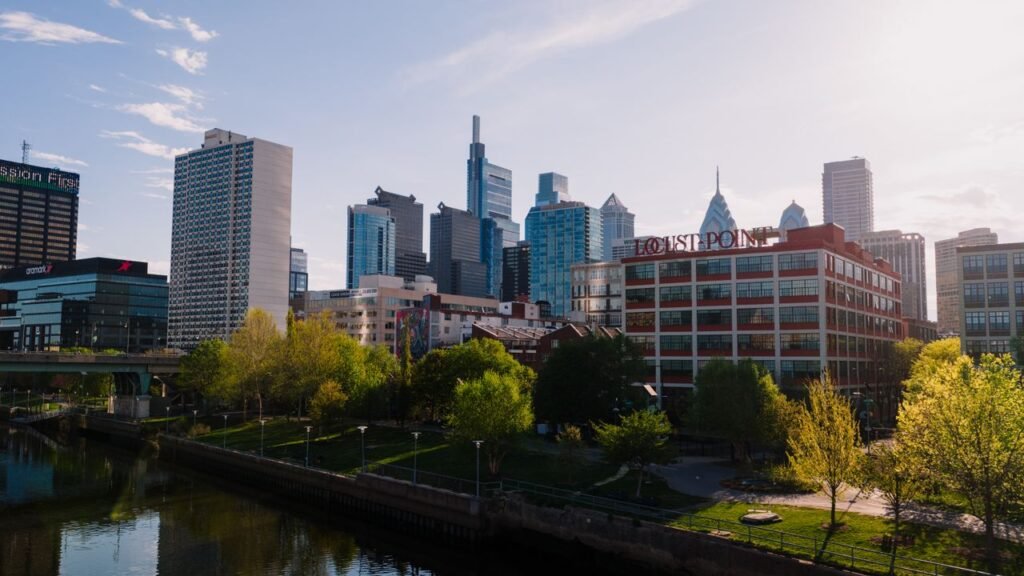
Pennsylvania is the sixth most populous state in the nation. It features a strategic eastern location, expansive nature, deep history, and world-renowned academic institutions, such as the University of Pennsylvania. Despite these advantages, several long-term structural issues have increasingly landed the state on quality-of-life concern lists.
Key Challenges
- Weather & Environmental Risks: Winters in Pennsylvania are long and harsh, whereas summers bring high humidity. Major river systems across the state present frequent, severe flooding threats, placing heavy financial burdens on homeowners for maintenance and insurance coverage.
- Taxation & Take-Home Pay: Although real estate prices appear reasonable on paper, high tax burdens deplete disposable income. The state enforces a flat income tax, while local property taxes in specific districts rank among the highest in the country, substantially lowering net pay. However, Pennsylvania does not tax retirement income, making it surprisingly attractive and frequently ranked among the best U.S. states for retirees.
- Safety & Unemployment: Metropolitan centers like Philadelphia struggle with violent crime rates that significantly exceed national averages. Concurrently, the decline of legacy manufacturing has left former Rust Belt towns and rural sectors with elevated unemployment, making stable career opportunities scarce for young professionals.
- Public Services & Infrastructure: Although the state houses top-tier medical centers, healthcare access in remote rural communities remains difficult and costly. Educational funding disparities between affluent and low-income zip codes remain stark. Furthermore, urban areas face persistent traffic congestion, and aging infrastructure leaves rural roads and bridges in constant need of critical repairs.
Economic Summary
| Financial Metric | Amount |
| Average Monthly Income (Per Person) | ~$4,000 |
| Monthly Cost of Living (Inc. Rent) | ~$2,400 |
| Average Home Price | ~$254,500 |
9. Oklahoma

Situated in the heart of the country, Oklahoma offers a rich blend of cowboy culture and Native American history. The state features a low cost of living, highly affordable real estate, and an economy anchored by oil production and agriculture. Nevertheless, severe weather risks and underfunded public institutions create major hurdles for residents.
Key Challenges
- Severe Weather & High Insurance: Situated in Tornado Alley, Oklahoma experiences some of the world’s most violent tornadoes annually, along with severe thunderstorms and baseball-sized hail. Intense summer heat and constant weather anxiety force homeowners to pay exceptionally high insurance premiums.
- Public Services & Infrastructure: The state lacks robust public transit, making personal vehicle ownership mandatory. Furthermore, Oklahoma ranks near the bottom nationwide in healthcare quality, suffering from high chronic illness rates and poor rural hospital accessibility.
- Education & Crime: Severe public school underfunding has generated a critical shortage of qualified teachers, leading to a general decline in educational quality. Despite its rural atmosphere, major urban centers like Tulsa and parts of Oklahoma City report violent crime rates significantly higher than national benchmarks.
- Job Market & Taxation: Career opportunities are heavily concentrated in oil and agriculture, limiting options and depressing wage growth in other sectors. To offset a lower income tax, municipal sales taxes reach up to 9% in certain areas.
Economic Summary
| Financial Metric | Amount |
| Average Monthly Income (Per Person) | ~$3,700 |
| Monthly Cost of Living (Inc. Rent) | ~$1,800 |
| Average Home Price | ~$199,800 |
8. Michigan

Split into two distinct peninsulas, Michigan borders four of the five Great Lakes, boasting the longest freshwater coastline in the world. Famous as the historic birthplace of the automotive industry, the state offers stunning summer landscapes, world-class institutions like the University of Michigan, and accessible real estate. However, persistent infrastructure and economic transitions continue to pose severe hurdles.
Key Challenges
- Infrastructure & Environmental Issues: Heavy snow and widespread road salt usage leave Michigan with some of the worst road conditions in the United States. More critically, severe water contamination incidents—most notably the Flint water crisis—highlight ongoing municipal water infrastructure challenges.
- Harsh Winters & Economic Brain Drain: Winters are prolonged, dark, and subject to intense lake-effect snowfall. Additionally, the contraction of major automotive manufacturers precipitated economic downturns, job losses, and a persistent “brain drain” of skilled talent moving away for tech positions.
- Public Safety & High Expenses: Cities like Detroit and Saginaw persistently record high violent crime rates, leaving a wide gap between safe and high-risk neighborhoods. Historically burdened by no-fault insurance laws, auto insurance rates remain exceptionally high, which—when paired with state and local income taxes—significantly inflates monthly living costs.
Economic Summary
| Financial Metric | Amount |
| Average Monthly Income (Per Person) | ~$4,100 |
| Monthly Cost of Living (Inc. Rent) | ~$1,900 |
| Average Home Price | ~$231,600 |
7. Arkansas

Nicknamed “The Natural State,” Arkansas is celebrated for the Ozark Mountains, Hot Springs National Park, and a low cost of living embedded in southern heritage. While real estate is highly affordable and outdoor recreation is abundant, systemic socio-economic hardships heavily affect overall livability.
Key Challenges
- High Poverty & Underemployment: Arkansas maintains one of the highest poverty rates in the country. Outside of a few corporate headquarters, the local job market is dominated by low-paying positions, leaving a large income inequality gap and limited options in modern tech or innovation sectors.
- Public Safety Concerns: The capital city of Little Rock regularly records violent crime rates that rival those of far larger metropolitan areas. Elevating property crime and aggravated assault rates place the state low on safety indexes nationwide.
- Healthcare & Education Disparities: The state ranks poorly for medical care access, struggling with high rates of obesity, heart disease, and scarce rural medical facilities. Public school standards remain consistently low, and the state maintains one of the lowest percentages of college graduates in America.
- Extreme Weather Risks: Summer heat and humidity are severe, and the state sits within an active severe weather zone prone to destructive tornadoes and thunderstorms, pushing property insurance costs higher.
Economic Summary
| Financial Metric | Amount |
| Average Monthly Income (Per Person) | ~$3,900 |
| Monthly Cost of Living (Inc. Rent) | ~$1,900 |
| Average Home Price | ~$188,000 |
6. Alabama

Alabama boasts Gulf Coast beaches, rich Civil Rights movement history, and major technology hubs, such as Huntsville’s aerospace and defense complex. The state is also home to NASA’s rocket development programs. Beyond these high-tech centers, however, the state struggles with widespread systemic issues in essential public services.
Key Challenges
- Critical Healthcare Shortages: Alabama ranks near the bottom nationally for healthcare quality. It faces severe rates of obesity, diabetes, and heart disease, alongside alarming maternal and infant health statistics. Continuous closures of rural hospitals leave major portions of the state without adequate medical access.
- Poverty & Taxation on Necessities: Poverty rates significantly exceed national averages. Job options outside the automotive and aerospace sectors remain limited and poorly paid. Furthermore, Alabama is one of the few states that continues to apply full state sales tax to raw groceries, adding to the cost of basic nutrition.
- Education & Safety: Student proficiency levels in reading and mathematics trail behind national standards due to chronic public school underfunding. The educational disparity between prosperous districts and impoverished rural sectors—historically known as the Black Belt—remains severe. Additionally, cities like Birmingham and Mobile report violent crime rates well above national averages.
- Severe Weather: High summer humidity is coupled with frequent destructive tornadoes and tropical storms originating from the Gulf of Mexico, driving up property maintenance and insurance costs.
Economic Summary
| Financial Metric | Amount |
| Average Monthly Income (Per Person) | ~$3,600 |
| Monthly Cost of Living (Inc. Rent) | ~$1,800 |
| Average Home Price | ~$209,900 |
5. West Virginia

Nestled entirely within the Appalachian Mountain range, West Virginia offers unmatched natural scenery, mountain privacy, and some of the cheapest housing in the nation. Historically central to the American coal industry, the state now faces deep economic and health crises.
Key Challenges
- Economic Collapse: As the nation shifted away from coal, West Virginia lacked a diversified economic foundation to replace lost industrial jobs. Mountain geography presents physical barriers to modern commercial development, resulting in widespread unemployment, empty towns, and an outward migration of young workers.
- Healthcare & Opioid Crisis: The state leads the nation in opioid overdose deaths and suffers from exceptionally high rates of smoking, obesity, and heart disease. Navigating mountainous terrain to reach specialty care makes medical access difficult and costly.
- Public Services & Weather Disasters: A chronic shortage of educators has weakened public school performance. Despite cheap housing, state tax burdens feel heavy relative to the public services received. Additionally, freezing winters and severe flash flooding—exacerbated by mountainous runoff—frequently destroy property.
- Rising Crime: Rural poverty and widespread substance abuse have driven up property and burglary crime rates across many small communities.
Economic Summary
| Financial Metric | Amount |
| Average Monthly Income (Per Person) | ~$3,800 |
| Monthly Cost of Living (Inc. Rent) | ~$1,700 |
| Average Home Price | ~$162,600 |
4. New Mexico

New Mexico features breathtaking desert vistas, rich Spanish and Native American heritage, world-famous hot air balloon festivals, and prestigious scientific hubs like the Los Alamos National Laboratory. However, persistent public safety concerns and institutional gaps continue to strain the overall quality of life.
Key Challenges
- Severe Crime Rates: New Mexico regularly ranks among the most dangerous states in America regarding violent and property crime per capita. Major cities like Albuquerque deal with severe vehicle theft, physical assaults, and widespread drug proliferation.
- Lowest Educational Rankings: The state consistently places dead last in national educational quality rankings, marked by low high-school graduation rates and poor standardized test scores in reading and math.
- Economic Disparities & Healthcare Shortages: Outside of government facilities, scientific research labs, and the oil and gas sectors, job growth is stagnant and low-paying. The state experiences high poverty rates and struggles with a critical shortage of physicians, requiring long travel times for specialized care.
- Environmental Pressures: Intense summer heat, prolonged historic droughts, severe water scarcity, and seasonal mountain wildfires pose ongoing environmental and agricultural risks.
Economic Summary
| Financial Metric | Amount |
| Average Monthly Income (Per Person) | ~$4,000 |
| Monthly Cost of Living (Inc. Rent) | ~$2,000 |
| Average Home Price | ~$248,100 |
3. Mississippi

Known as the birthplace of blues music, Mississippi offers rich cultural roots, southern hospitality, and a very low cost of living. While housing is highly affordable, the state struggles with structural economic and health challenges.
Key Challenges
- Deep Poverty & Low Wages: Mississippi records the highest poverty rate in the nation (exceeding 18%) alongside the lowest median household income. Modern high-tech industries remain minimal, leaving most of the population reliant on agriculture or low-wage service jobs.
- Critical Health Outcomes: The state consistently ranks as the unhealthiest in the nation. It leads the country in obesity, diabetes, and heart disease, and records the highest infant mortality rate in the U.S. Ongoing closures of rural hospitals further strain access to specialized care.
- Taxation & Infrastructure Crises: Despite high poverty levels, Mississippi levies a 7% sales tax on basic, unprepared groceries. The capital city of Jackson struggles with high violent crime rates alongside severe, systemic water infrastructure failures.
- Harsh Climate: Extremely hot and humid summers are compounded by severe tropical storms and tornadoes originating from the Gulf of Mexico, leading to recurring property destruction.
Economic Summary
| Financial Metric | Amount |
| Average Monthly Income (Per Person) | ~$3,200 |
| Monthly Cost of Living (Inc. Rent) | ~$1,900 |
| Average Home Price | ~$169,800 |
2. Alaska

Alaska provides unrivaled natural solitude, massive glaciers, wildlife, and annual cash payouts to residents via the Permanent Fund Dividend from oil revenues. Despite these perks, extreme geography, climate conditions, and high expenses make daily life challenging.
Key Challenges
- High Crime Rates: Alaska consistently ranks among the most dangerous states per capita for violent crime. Factors contributing to this issue include extreme geographic isolation, sparse law enforcement presence in remote regions, and elevated rates of substance abuse.
- Inflated Cost of Living: Because goods must travel vast distances to reach the state, groceries and basic commodities often cost double what they do in the contiguous United States. Heating fuel, electricity, and supply costs remain exceptionally high year-round.
- Psychological & Seasonal Impact: During the winter, portions of northern Alaska experience weeks of continuous darkness accompanied by extreme cold. This isolation triggers high rates of Seasonal Affective Disorder (SAD), contributing to elevated rates of depression and suicide.
- Limited Economy & Healthcare Access: Job options are primarily limited to oil extraction, commercial fishing, or seasonal tourism. In rural sectors, medical emergencies often require expensive air transport to reach major hospitals.
Economic Summary
| Financial Metric | Amount |
| Average Monthly Income (Per Person) | ~$4,400 |
| Monthly Cost of Living (Inc. Rent) | ~$2,500 |
| Average Home Price | ~$352,900 |
1. Louisiana

Celebrated for its unique Creole and Cajun heritage, legendary cuisine, and the historic cultural influence of New Orleans, Louisiana possesses a distinct identity. It serves as a major hub for maritime trade along the Mississippi River and oil production. However, deep-seated safety, environmental, and financial vulnerabilities rank it at the bottom for overall livability.
Key Challenges
- Severe Violent Crime: Louisiana has consistently recorded some of the highest per-capita homicide and violent crime rates in the country. Major cities like New Orleans and Baton Rouge face persistent security issues linked to gang activity and drug proliferation.
- Extreme Weather & Insurance Crisis: Located squarely in the path of Gulf Coast hurricanes, much of southern Louisiana sits below sea level. Devastating storms like Hurricane Katrina and frequent severe flooding have driven property insurance premiums to astronomical, near-unaffordable rates.
- Poverty & Health Disparities: The state holds the third-highest poverty rate in the U.S., with well-paying jobs largely restricted to the petrochemical and tourism industries. Healthcare quality remains low, with high rates of heart disease and cancer—so much so that a major industrial corridor is locally referred to as “Cancer Alley”.
- Tax Burdens & Education: Public school quality ranks near the bottom nationally. Furthermore, local government sales taxes combined with state taxes can reach up to 9.5% in certain jurisdictions, placing a heavy tax load on essential daily purchases.
Economic Summary
| Financial Metric | Amount |
| Average Monthly Income (Per Person) | ~$3,600 |
| Monthly Cost of Living (Inc. Rent) | ~$2,000 |
| Average Home Price | ~$216,500 |
If you want to focus on thriving locations with high job growth and better economic prospects, explore our detailed ranking of the top 10 U.S. cities to live and work.
Summary Financial Comparison Table
| Rank | State | Average Monthly Income (Per Person) | Monthly Cost of Living (Inc. Rent) | Average Home Price |
| 10 | Pennsylvania | ~$4,000 | ~$2,400 | ~$254,500 |
| 9 | Oklahoma | ~$3,700 | ~$1,800 | ~$199,800 |
| 8 | Michigan | ~$4,100 | ~$1,900 | ~$231,600 |
| 7 | Arkansas | ~$3,900 | ~$1,900 | ~$188,000 |
| 6 | Alabama | ~$3,600 | ~$1,800 | ~$209,900 |
| 5 | West Virginia | ~$3,800 | ~$1,700 | ~$162,600 |
| 4 | New Mexico | ~$4,000 | ~$2,000 | ~$248,100 |
| 3 | Mississippi | ~$3,200 | ~$1,900 | ~$169,800 |
| 2 | Alaska | ~$4,400 | ~$2,500 | ~$352,900 |
| 1 | Louisiana | ~$3,600 | ~$2,000 | ~$216,500 |
*Financial metrics and cost estimates are compiled using figures from the Numbeo Cost of Living Database.